Governance
Our Vision
World-leading accelerators for science and industry.
Our Mission
The Heavy Ion Accelerators NCRIS project operates world-leading particle accelerators for a wide variety of scientific and industrial applications, for users from Australia and around the world.
The HIA Lead Agent is the Australian National University, which also hosts the Heavy Ion Accelerator Facility and the Ion Beam Analysis and Ion Implantation Facilities. The University of Melbourne hosts the Nuclear Ion Microprobe Facility.
Governance structure

Board
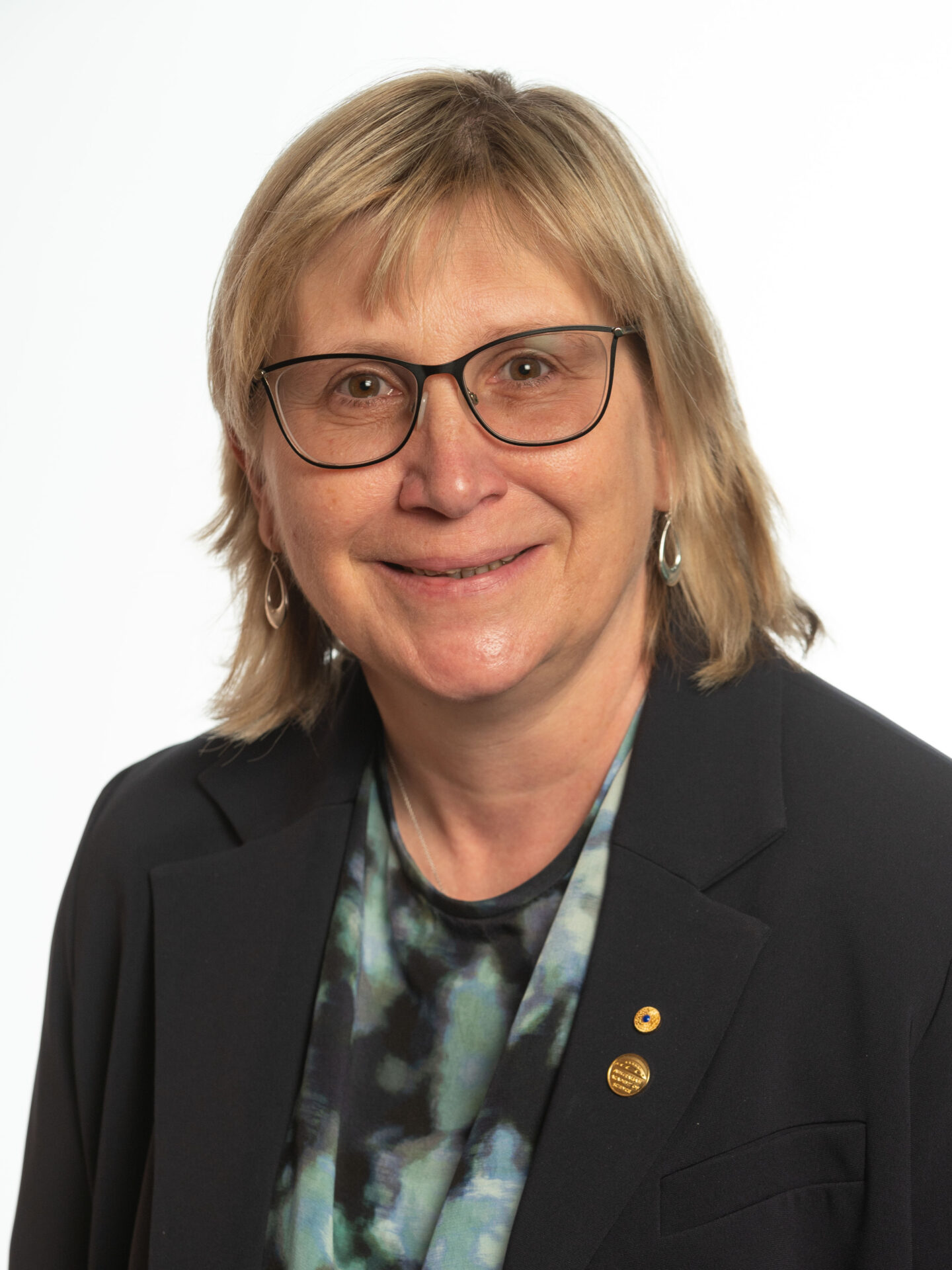
Prof. Ute Roessner
Professor Ute Roessner AM FAA is the Academic Director, Research Initiatives and Infrastructure at the Australian National University.
She obtained a PhD in Plant Biochemistry from the University of Potsdam and the Max-Planck-Institute for Molecular Plant Physiology, in 2001. Her research interests are to develop and apply metabolomics methods to study plants. In 2003 she moved to Australia where she established a metabolomics platform as part of the Australian Centre for Plant Functional Genomics.
In 2007, she was involved in the setup of Metabolomics Australia and led the University of Melbourne node until 2019. Between 2018 and 2022, Professor Roessner was the Head of School of BioSciences, University of Melbourne.
Professor Roessner is a Lifetime Honorary Fellow of the International Metabolomics Society. She has been elected to the Victorian Honour Roll of Women in 2020 and in 2021 has been appointed as Member of the Order of Australia. In 2022, Professor Roessner was elected as a Fellow of the Australian Academy of Science.
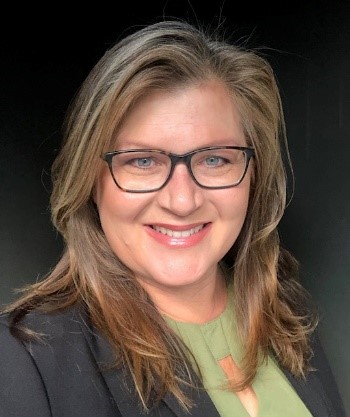
Hon. Kate Lundy
Kate Lundy served as ACT Senator in the Australian Federal Parliament for nearly 20 years; she resigned in 2015. She continues to focus her energy on technology and innovation. In 2017, the Australian National University awarded her a Doctor of Letters (honorary doctorate) for her “exceptional contributions to advocacy and policy for information communications and technology, for the ACT and nationally.”
During her time in Parliament in both Government and Opposition, Kate held several front bench portfolios, including IT, Innovation, Digital Economy, Manufacturing, Sport and Multicultural Affairs.
Kate now holds a number of company directorships including the Cyber Security Cooperative Research Centre (chair), the Canberra Institute of Technology, Electro Optic Systems, National Roads and Motoring Association, National Youth Science Forum and the Australian Grand Prix Corporation.
Kate is the ACT Defence Industry Ambassador and a member of the Space Industry Leaders Forum (of the Australian Space Agency) Kate also has her own consulting company, Technology Innovation Partners Pty Ltd.
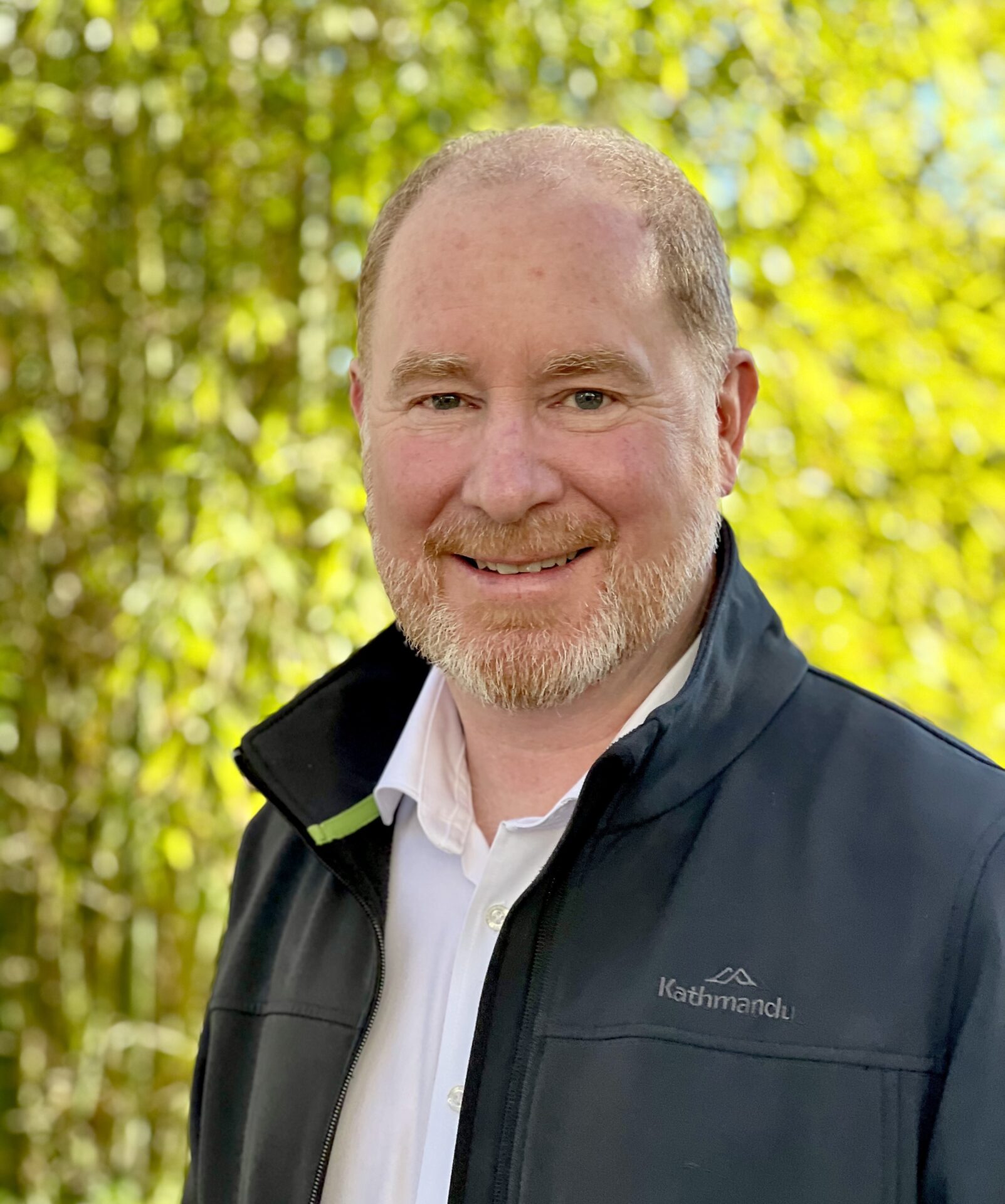
Tim Senden
Professor Tim Senden was appointed Pro Vice-Chancellor (Research Infrastructure and Entities) at The Australian National University (ANU) in July 2025. He was previously the Director of the Research School of Physics and is a graduate of ANU, completing his BSc(Hons) in physical chemistry and PhD in this field using Atomic Force Microscopy.
His chief interests are around the investigation of surface phenomena at the nanometre scale including nanomechanical measurement of small molecular assemblies (bilayers, adsorbed polymers, surfactant phases, biological systems), radioactive colloids in clinical diagnosis and he has branched into 3D analysis using micro-X-ray Tomography, studying porous and granular materials.
Tim has spent much of his 30 years at ANU focused on industry engagement, being part of teams that have established major partnerships including collaborations around nuclear stewardship, and the Rio Tinto relationship that brought together social scientists and STEM researchers around responsible technology development.
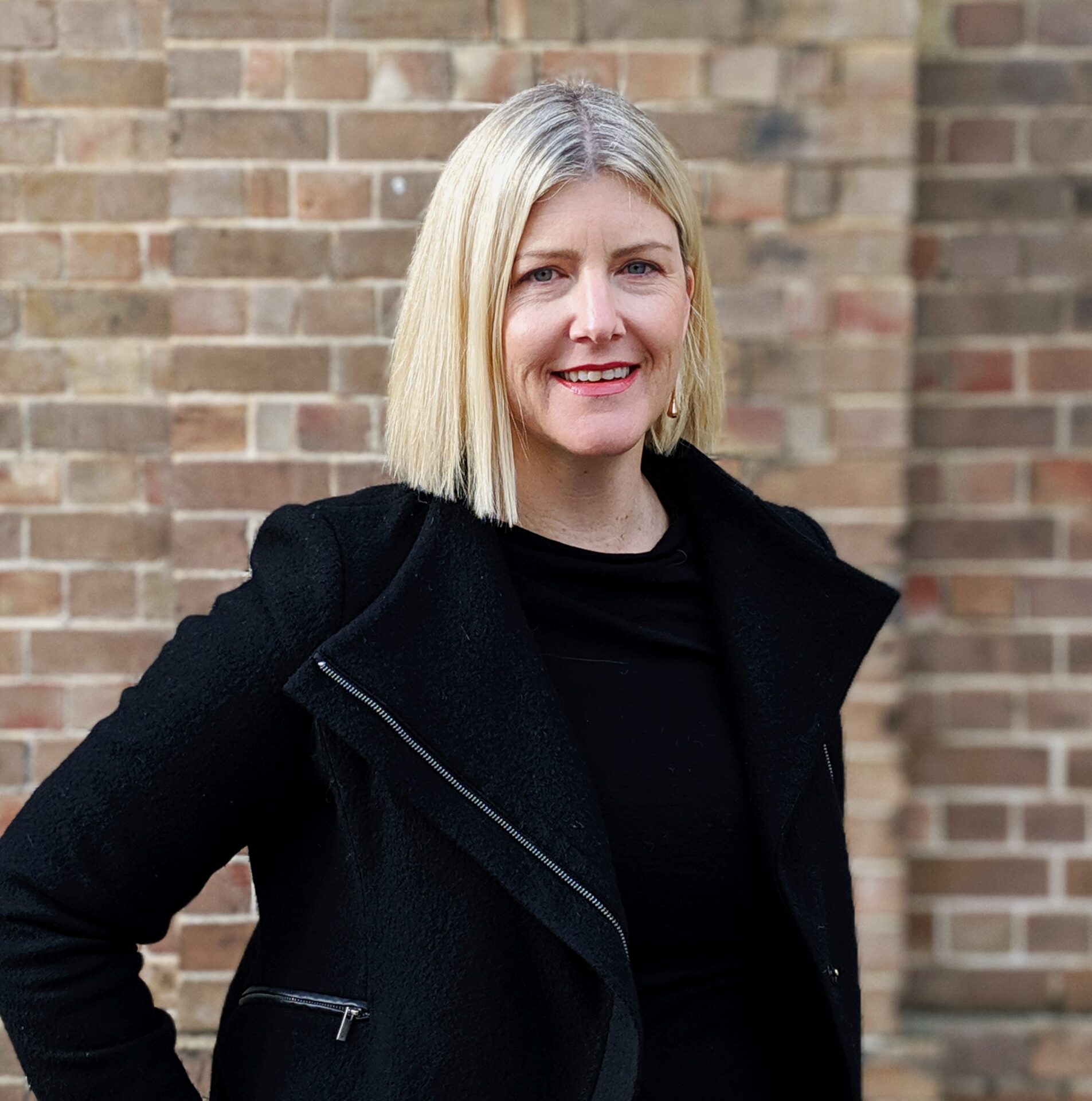
Sally-Ann Williams
Sally-Ann Williams is an Australian business leader with extensive experience in deep technology, innovation, and STEM advocacy. She is currently focused on non-executive director roles and supporting deep tech innovation and inclusion in STEM at scale.
Sally was instrumental in transforming Cicada Innovations into a national deep tech powerhouse. Under her leadership, Cicada expanded its footprint with new hubs like Jumar Bioincubator and the HealthTech Hub, launched the National Space Industry Hub, and developed leading deep tech commercialization programs. She also integrated Tech23, solidifying Cicada’s central role in the innovation ecosystem. Her contributions helped Cicada-supported ventures raise over $6.1 billion and achieve $1.4 billion in exits, addressing critical challenges in health, climate, energy, and more.
Her current board appointments include Bank Australia, the Australian Research Council, and AusOcean, a not-for-profit organisation dedicated to ocean research and conservation through technology. She also engages with the technology and innovation landscape through advisory capacities, serving as a member of the NSW Innovation Council and on the Heavy Ion Accelerators Advisory Board.
Previously, Sally spent over a decade at Google, where she spearheaded R&D collaborations, facilitated engagement with the startup community, and pioneered Computer Science and STEM education initiatives.
In public policy, she chaired the Federal Government’s Pathway to Diversity in STEM Review. Her past contributions include involvement with COAG’s STEM Partnership Forum and StartupAUS.
Sally is a Fellow of the Australian Academy of Technological Sciences & Engineering (ATSE) and a member of Chief Executive Women (CEW).
She received an honorary Doctorate from Griffith University in 2023, and an honorary Doctor of Technology from the University of Technology Sydney in 2025.
Sally is a frequent speaker on leadership, technology, deep tech, innovation, and inclusion. Her work consistently reflects a dedication to empowering individuals and organisations to address global challenges through scientific advancement and collaborative efforts.
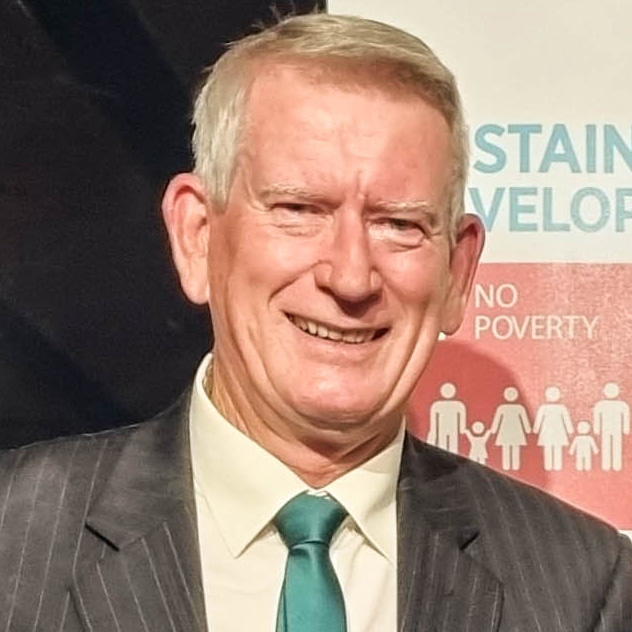
John O’Connor
A research career largely centred on the interaction of ions with the near surface region using ions from the range of 100eV to 1 GeV. His research evolved from initially focussing on determining the crystal structure of atomic surfaces to the complexities of ion surface interaction including the measurement of ranges of ions in solids which has relevance to the ion implantation that is used in the development of modern electronics, then to the stopping and straggling of ions which impacts on the developing field of hadron therapy. More recent research has focussed on the analysis of ceramic materials which are suitable for applications in extreme environments and their repair mechanisms which help to retain their exceptional characteristics.
He is a fellow of the Australian Institute of Physics, the Institute of Physics (UK) and the Academy of Technology and Engineering. He served as president of the Australian Institute of Physics and secretary of Federation of Australian Scientific and Technological Societies (now Science and Technology Australia). He has published over 200 research papers, 130 conference papers, 8 book chapters and 2 edited books. He has been awarded an Alexander von Humboldt Fellowship, the Sir William Hudson Award for outstanding engineering excellence, a Public Awareness of Physics Award (IOP UK) and an award for Outstanding Service to Physics (AIP Australia).
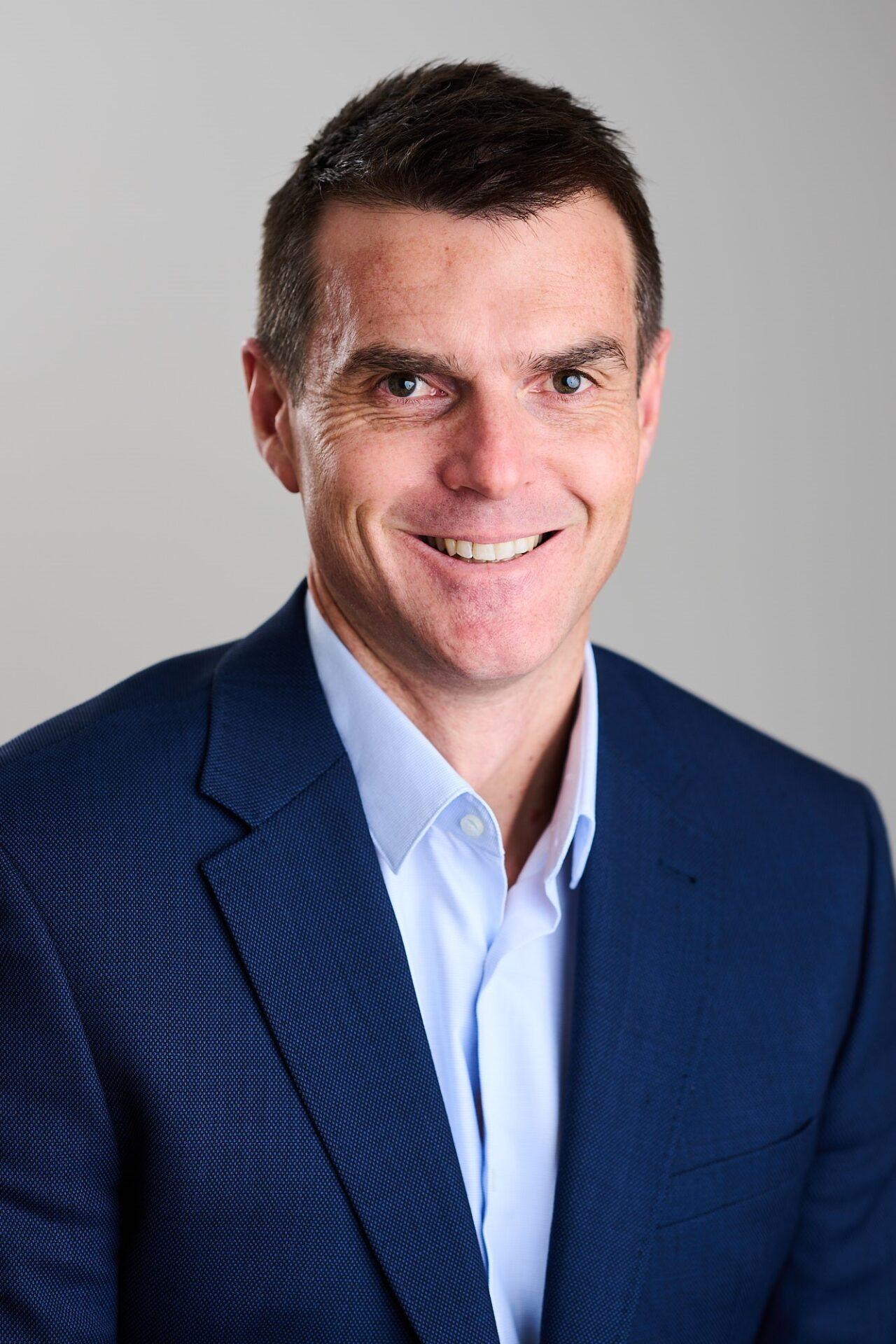
Ken Maxwell
Ken Maxwell is a senior program and strategic adviser with more than 25 years’ experience
supporting complex, high-value programs across government, defence, industry, and national
critical infrastructure.
With a foundation in aeronautical engineering and operational service as a Naval Officer in the
Royal Australian Navy, Ken brings strong systems thinking, technical discipline, and an ability
to operate confidently across strategic, governance, and operational domains. His career has
focused on helping organisations establish clarity, structure, and delivery momentum in
technically complex environments.
Ken has held senior leadership and advisory roles with PwC and EY, where he supported
major Defence and National Security programs involving complex assets, advanced
technology, and multi-stakeholder governance. He has also served as CEO and Managing
Director of an emerging technology company, guiding the organisation through a critical
growth phase and strengthening his experience in translating technical capability into
sustainable organisational outcomes.
He currently provides independent advisory support to public and private sector
organisations, with a particular focus on program establishment, governance, and delivery in
asset-intensive and research-driven environments. His work frequently sits at the intersection
of science, engineering, policy, and execution.
Ken holds a Master of Nuclear Science from the Australian National University, an Executive
MBA from AGSM, and is a Graduate of the Australian Institute of Company Directors. He is
an Honorary Fellow of the ANU Research School of Physics and a member of several boards
and advisory committees.